
Travel in 2026 is no longer just about price or weather. Increasingly, it’s about something harder to define — peace of mind.
With rising geopolitical tensions, flight disruptions, and a general sense of uncertainty, many travelers are rethinking where — and how — they travel.
The result is clear:
People are not just choosing destinations.
They are choosing how safe, calm, and grounded they want to feel.

1. The shift: from exploration to reassurance
For years, travel was driven by exploration and novelty.
In 2026, a different pattern is emerging:
- avoiding complex or unstable regions
- reducing long and uncertain itineraries
- prioritizing destinations perceived as “safe”
This does not necessarily mean staying home.
It means choosing places that feel predictable, natural, and emotionally comfortable.
2. What defines a “safe destination” today
Safety is no longer just about crime or politics.
Travelers are now looking for:
- geographical stability
- simple logistics (direct access, fewer transfers)
- nature over density
- lower mental load
In other words: places where nothing feels chaotic.
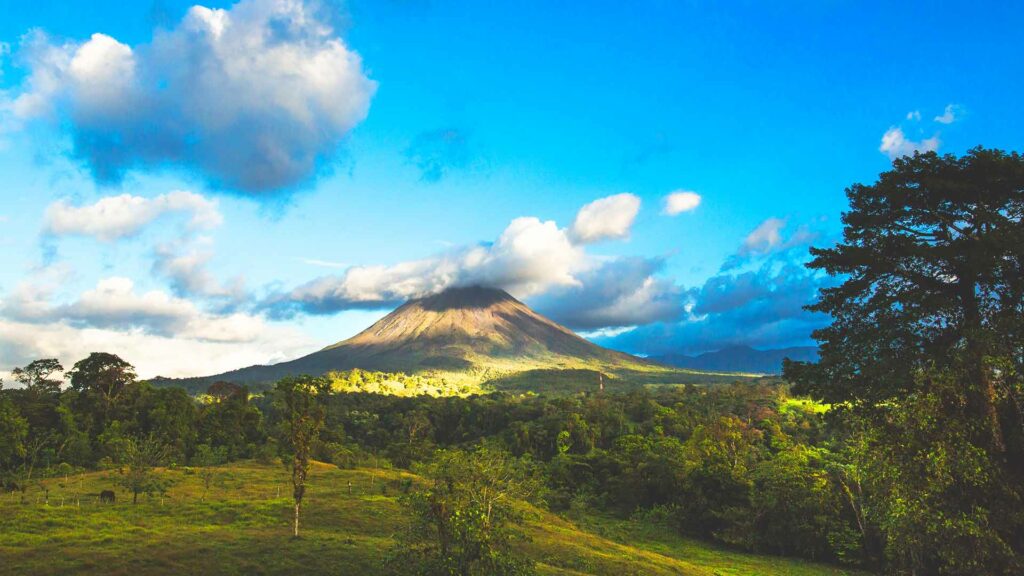
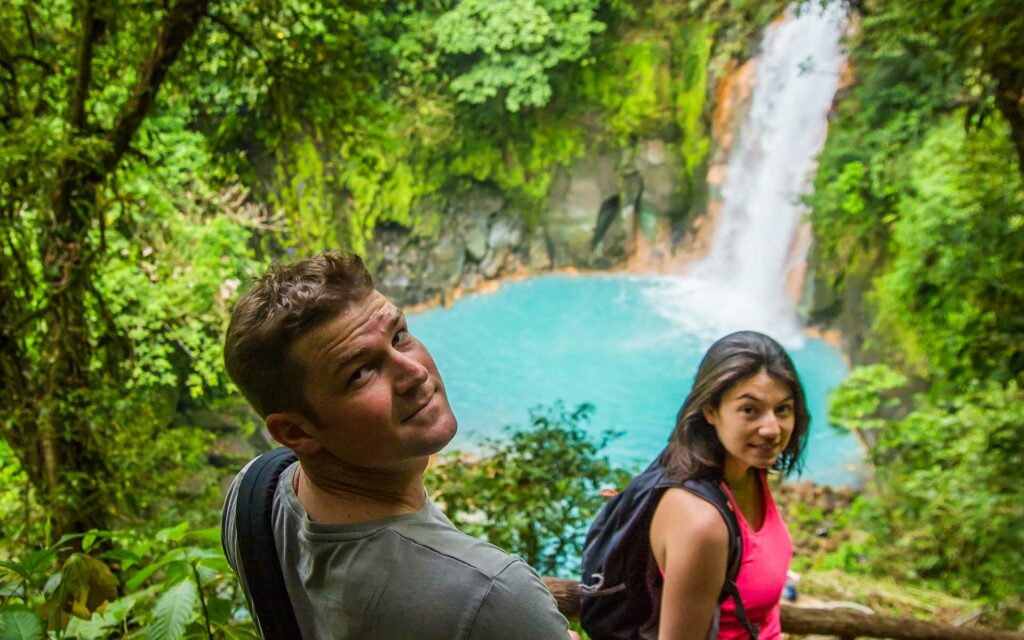
3. Why nature-based destinations are gaining momentum
One clear trend stands out:
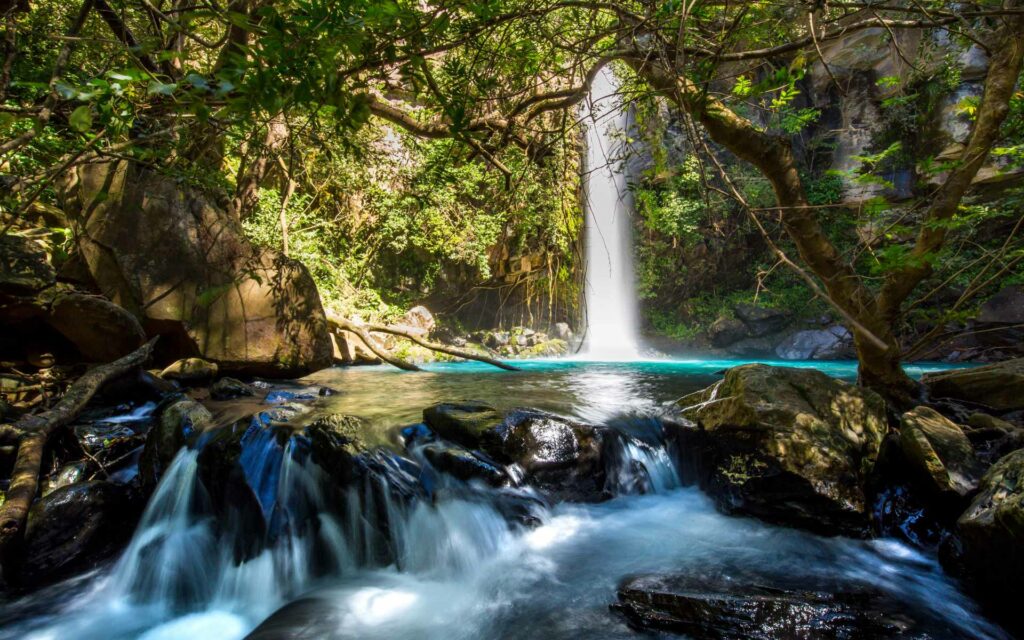
Nature is becoming the new luxury.
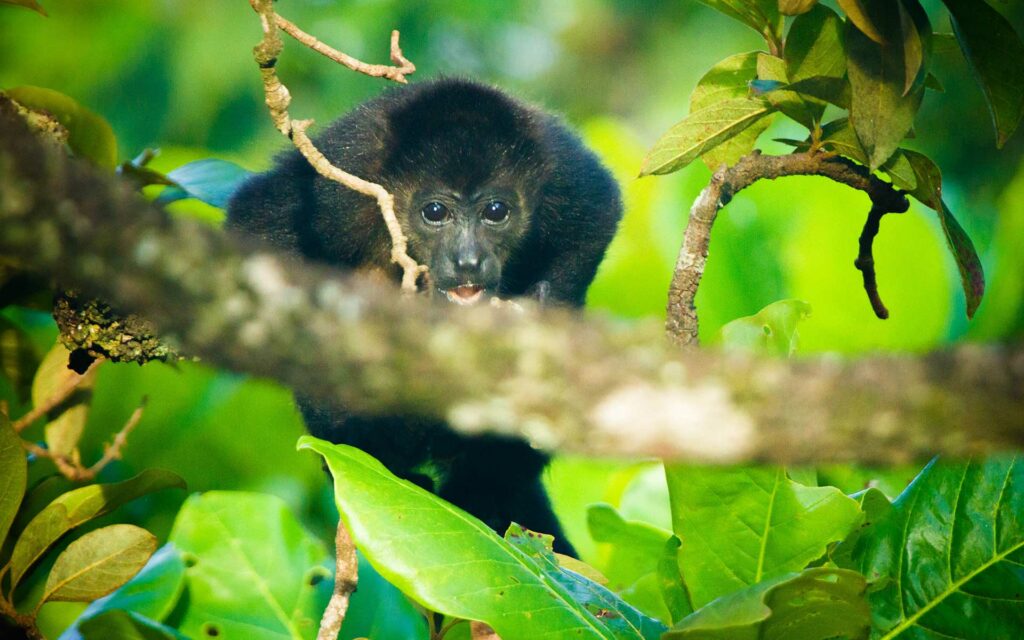
Destinations offering:
- open spaces
- wildlife
- slower rhythms
are increasingly preferred over crowded cities or complex travel hubs.
This is not only about beauty.
It is about recovery.
4. Costa Rica: a natural fit for 2026 travel
Among these destinations, Costa Rica stands out.
It offers:
- political stability
- strong environmental protection
- easy access from North America and Europe
- a global reputation for safety
But more importantly, it offers something less tangible:
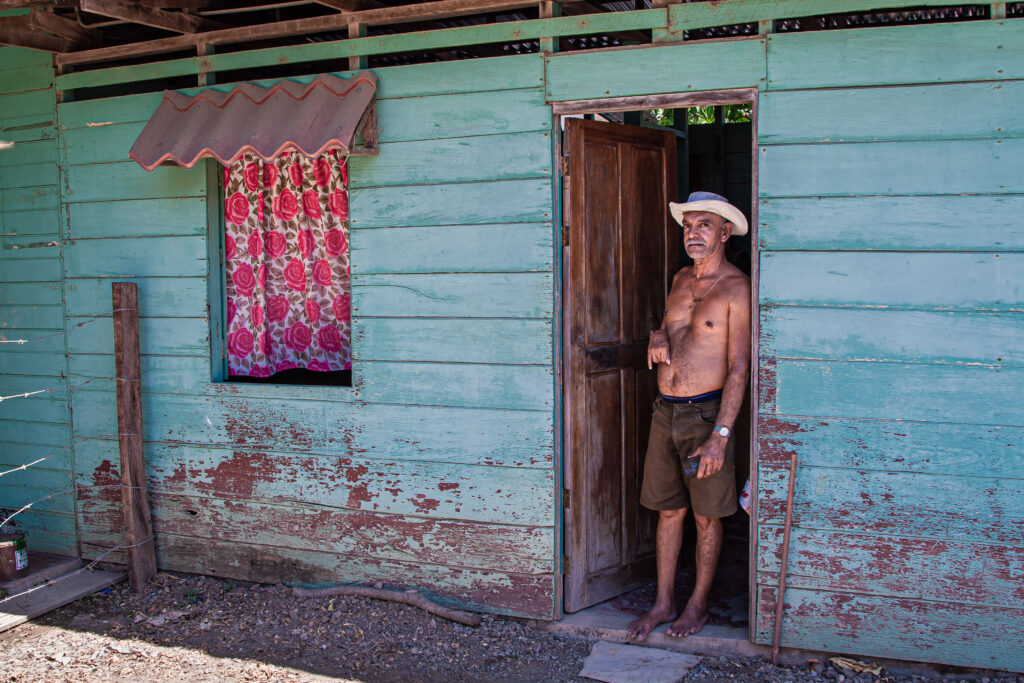
A sense of distance from global noise.
5. Beyond the hotspots: choosing the right location
Not all destinations within a country offer the same experience.
Highly touristic areas can recreate the very stress travelers are trying to escape.
This is why more experienced travelers are moving toward:
- smaller coastal villages
- less developed regions
- places where nature is still dominant
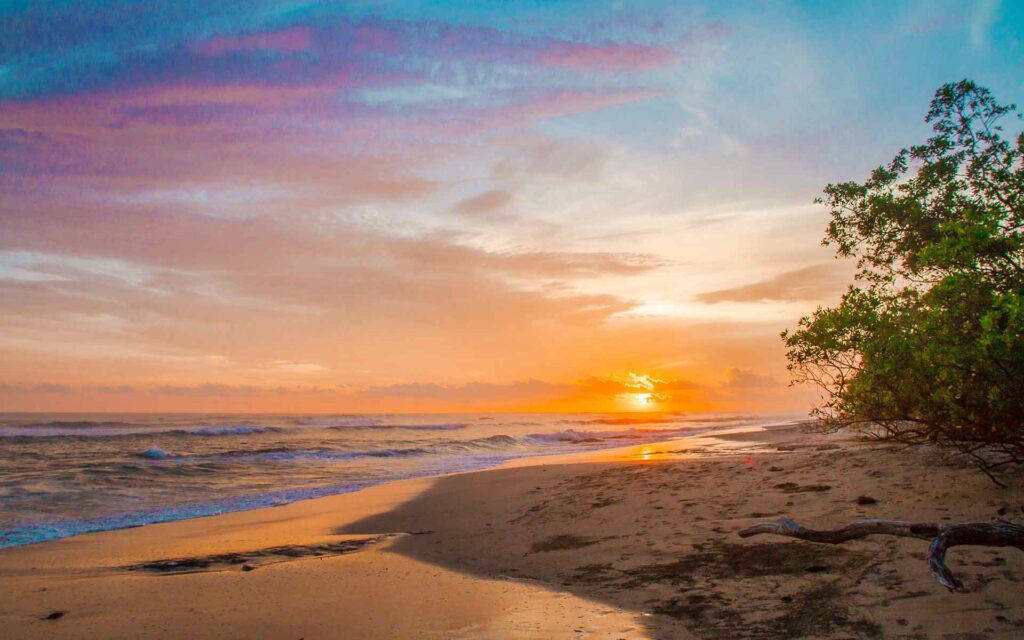
On the Pacific coast, areas like Playa Negra represent this balance —
accessible, yet still preserved.
6. The new travel mindset: less intensity, more depth
The real shift is not geographic.
It is psychological. Feeling safe and relaxed is a top priority.
Travel in 2026 is becoming:
- slower
- more intentional
- less about “seeing everything”
- more about feeling something real

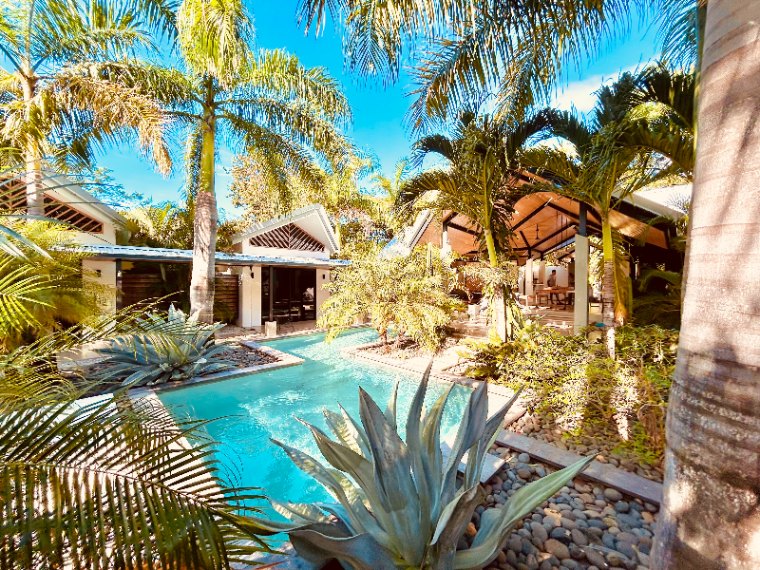
7. A different kind of stay
In this context, accommodation also changes.
Travelers are no longer just booking a place to sleep.
They are choosing a base for their experience. This allowin,g less packing and checking in time.
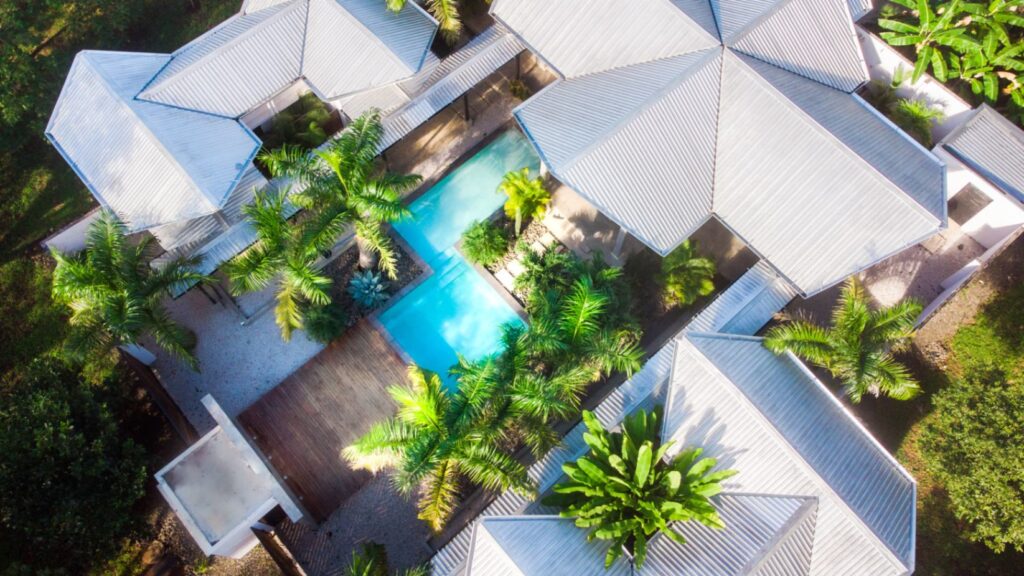
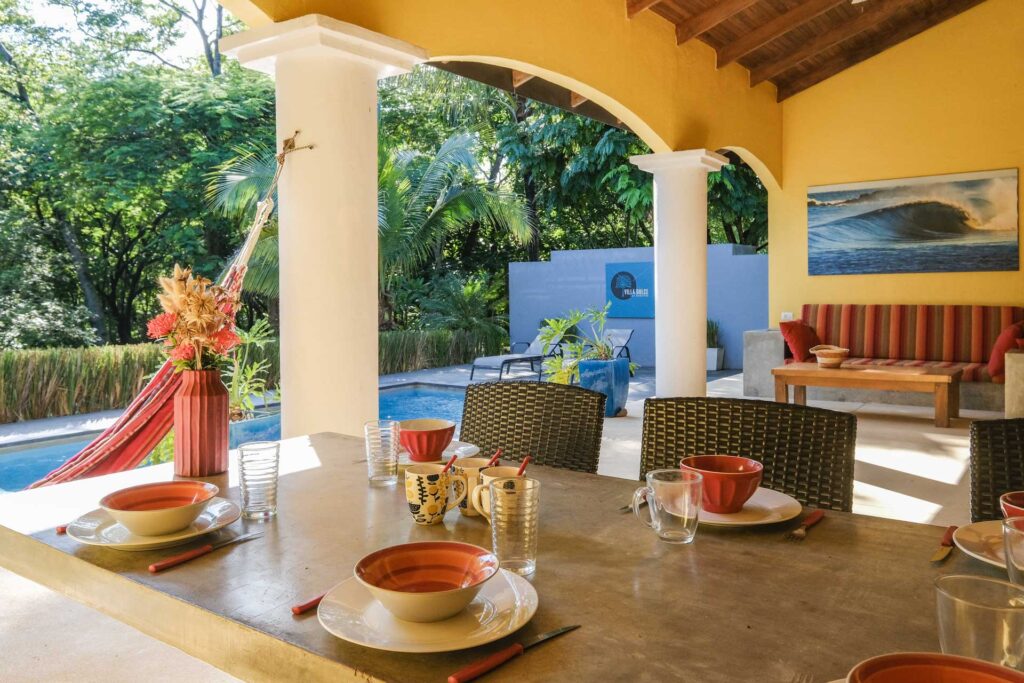
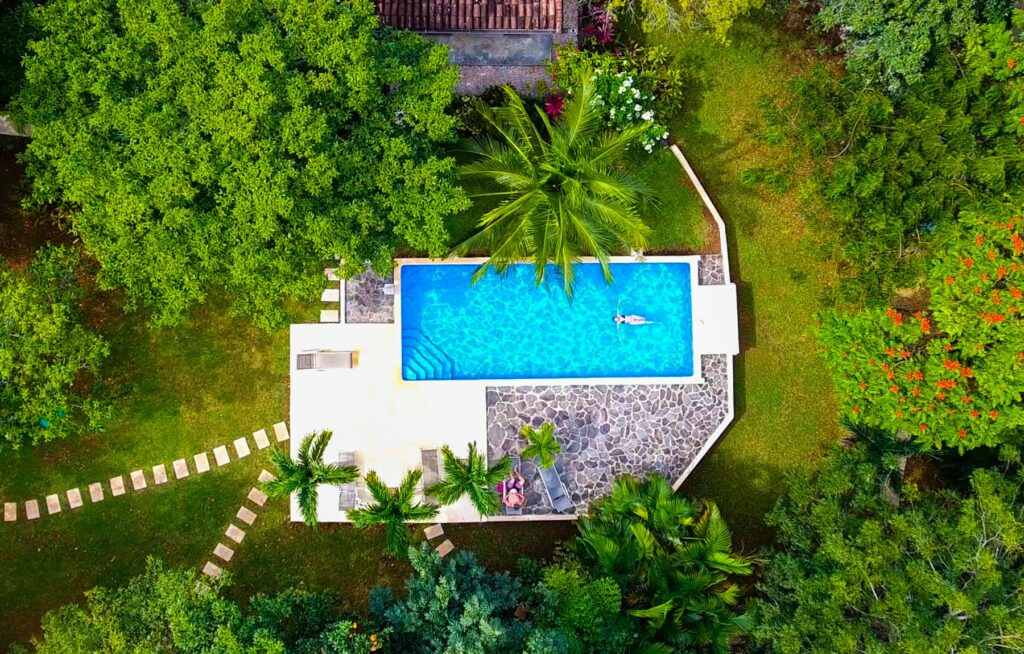
Places integrated into nature, designed for calm, and away from heavy tourist flows naturally align with this new expectation.
In regions like Playa Negra, some properties are built around this idea — offering not just proximity to the beach, but a quieter, more grounded way to experience Costa Rica.
Conclusion
2026 is not the year of extreme travel.
It is the year of selective travel.
The destinations that will stand out are not the most famous ones,
but the ones that offer something increasingly rare:
simplicity, safety, and space.